







Search Results for: coffee serving standards
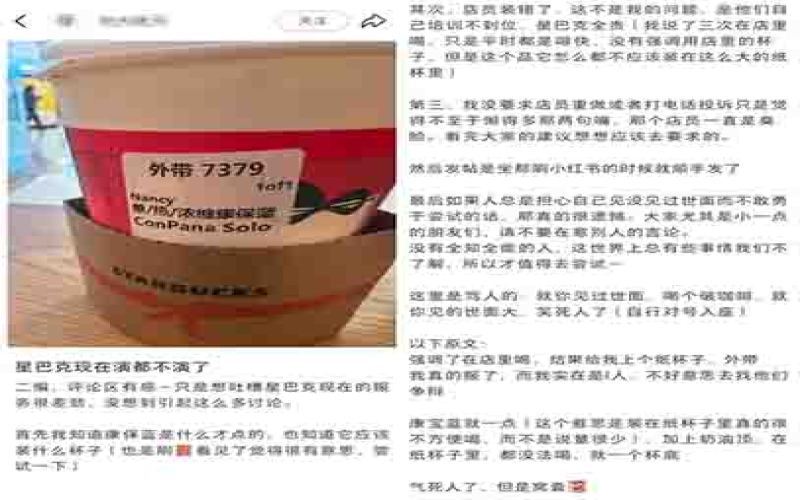
Starbucks Con Panna actually served in a large paper cup? Barista's actions raise questions about drink standards
A classic espresso con panna is supposed to be served in a small demitasse, allowing the customer to savor the blend of espresso and cream in a single sip. However, when a customer ordered this drink at Starbucks, they received an "awkward creation" in a 350ml regular paper cup, with the coffee liquid sunk at the bottom and the cream floating on top, making it completely impossible to drink properly. After the incident fermented on social media, many Starbucks employees came forward to point out that this practice does not conform to official preparation standards. Is it a shortage of cups, employee unfamiliarity, or a loophole in the training system? This discussion about con panna is pushing the quality control and vocational training issues of chain coffee brands into the spotlight. [more…]
Why Is 15g of Coffee Commonly the Single-Serving Standard for Pour-Over? A Full Analysis of the Differences Between 01 and 02 Drippers
When browsing brands like Front Street Coffee or coffee teaching courses, you will often see single-origin beans recommended for brewing with 15g of coffee grounds. This number seems to have become the golden standard for pour-over coffee, but why exactly 15g? What problems would 10g or 20g bring? Starting from Front Street Coffee's teaching practice, this article deeply analyzes the impact of coffee dose on coffee bed depth, water flow state, and extraction results, explaining why 15g can become the most suitable single-serving parameter for the 01 dripper. At the same time, many enthusiasts are also curious about the difference between the 01 and 02 drippers. We will provide an answer from the perspective of coffee bed depth and extraction uniformity, helping you understand the logic behind the parameters and brew more stable and delicious pour-over coffee. [more…]
Multi-Serve Pour-Over Coffee Brewing Plan | Does the Amount of Coffee Grounds Affect the Flavor and Mouthfeel of Pour-Over Coffee? How to Adjust Extraction Parameters for Pour-Over Coffee for 4 People?
Front Street Coffee uses a standard dose of 15 grams of coffee per serving, so when sharing brewing methods, 15 grams is always used as the demonstration standard. However, the dose used to brew coffee varies widely. Based on Front Street Coffee's observations, the most common doses are multiples of 6—12 grams, 18 grams, and 24 grams—and these are mostly used to make a single serving of 120 [more…]
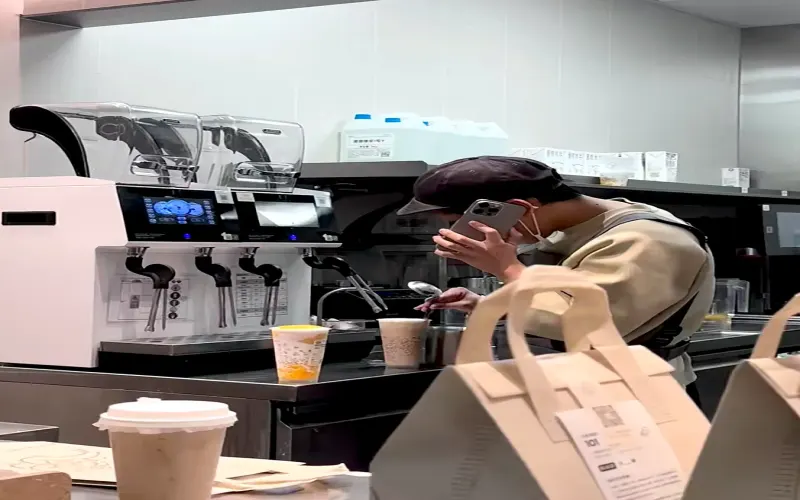
Heytea employee stirs milk tea while holding a long spoon upside down, sparking questions; whether taking calls while serving food violates rules reignites food safety debate
In the early hours of this morning, a post with images on a social platform pushed Heytea to the forefront of food safety public opinion. The posting netizen claimed that last night they witnessed an employee in the preparation room of a milk tea shop, while answering a phone call, repeatedly stirring the milk tea about to be served with the handle end of a long-handled spoon; the scene made them doubt the store's hygiene standards. As the post's popularity climbed, many milk tea consumers said it was hard to accept, especially since Heytea has always been known among its peers for strict food safety management. However, some voices held that the employee was only taking a call and did not stop working with their hands, so there was no need to overinterpret it; more catering practitioners explicitly pointed out that mobile phones are not allowed in preparation rooms in the first place, and stirring a drink with the spoon handle inverted is clearly a violation. After the incident escalated, although Heytea's official customer service account responded to the poster, it did not give a clear answer on whether the employee's actions violated regulations. [more…]
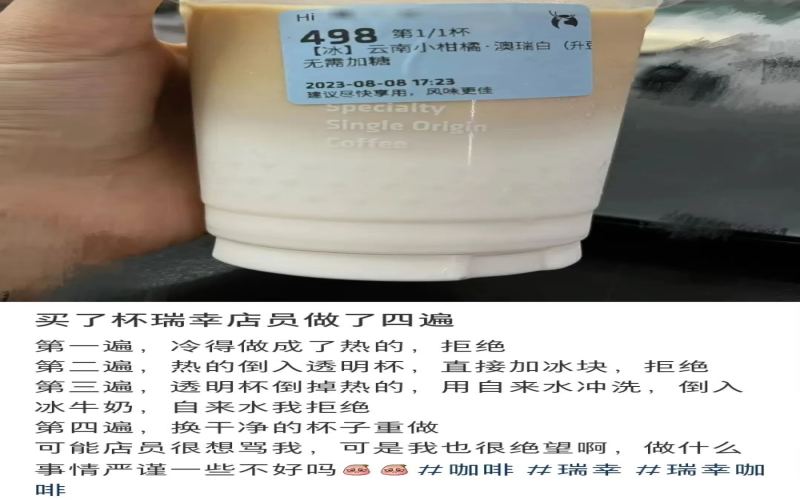
Luckin employee took four attempts to serve the order, customer complaints about non-standard operation spark heated discussion
Recently, a netizen shared on social media their experience ordering at Luckin: a single cup of coffee was repeatedly remade by the staff four times before they finally got it. From getting the hot/iced order wrong, to rinsing the cup with tap water, to being stopped by a colleague when about to add ice and milk, the whole process left many onlookers exclaiming how absurd it was. The incident also sparked heated discussion about Luckin's employee training, operating standards, and food safety. What exactly happened? Was the customer's complaint reasonable? And what problems did the store's operations expose? Let's take a look. [more…]
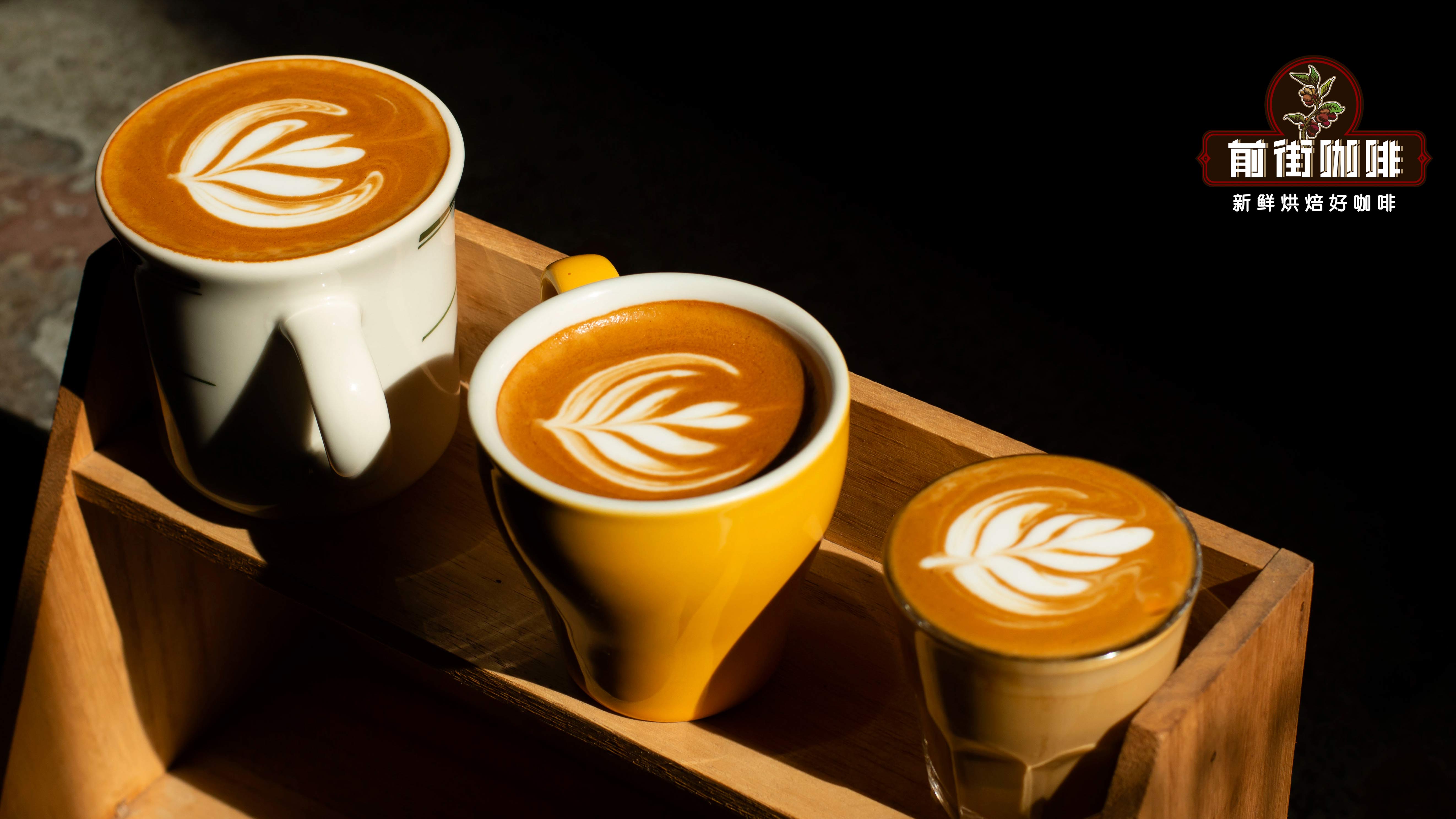
Espresso Cup Specifications | What Are the Standard Sizes for Espresso, Milk, and Latte Coffee Cups? Which Coffee Cups Should Be Used for Americano, Cappuccino, and Latte?
At FrontStreet Coffee, you'll see ceramic cups of all sizes lined up on the espresso machine, and these cups have specific meanings—different types of coffee are served in different cup sizes. In this article, Front Street tells you the secrets behind these coffee cups. [more…]

What Size Coffee Cup Should You Use for Espresso, Latte, and Cappuccino? Standard Specifications and Selection Guide
Walking into Front Street Coffee, the espresso machine is lined with ceramic cups of various capacities, each cup type corresponding to a specific coffee category. The size of a coffee cup not only affects the visual presentation but also directly influences the concentration expression and heat retention of the espresso. This article will systematically sort out the specific capacities and suitable scenarios of three coffee cup sizes—small, medium, and large: how a 60ml small cup carries a standard espresso, why a 180-200ml medium cup suits Americano and cappuccino, and how a 300ml large cup achieves a balanced latte. At the same time, combined with the extraction parameters of Front Street Coffee's Sunflower Warm Sun espresso blend coffee beans, it analyzes the pairing logic between different cup types and coffee flavors, helping you produce professional-grade coffee at home. [more…]
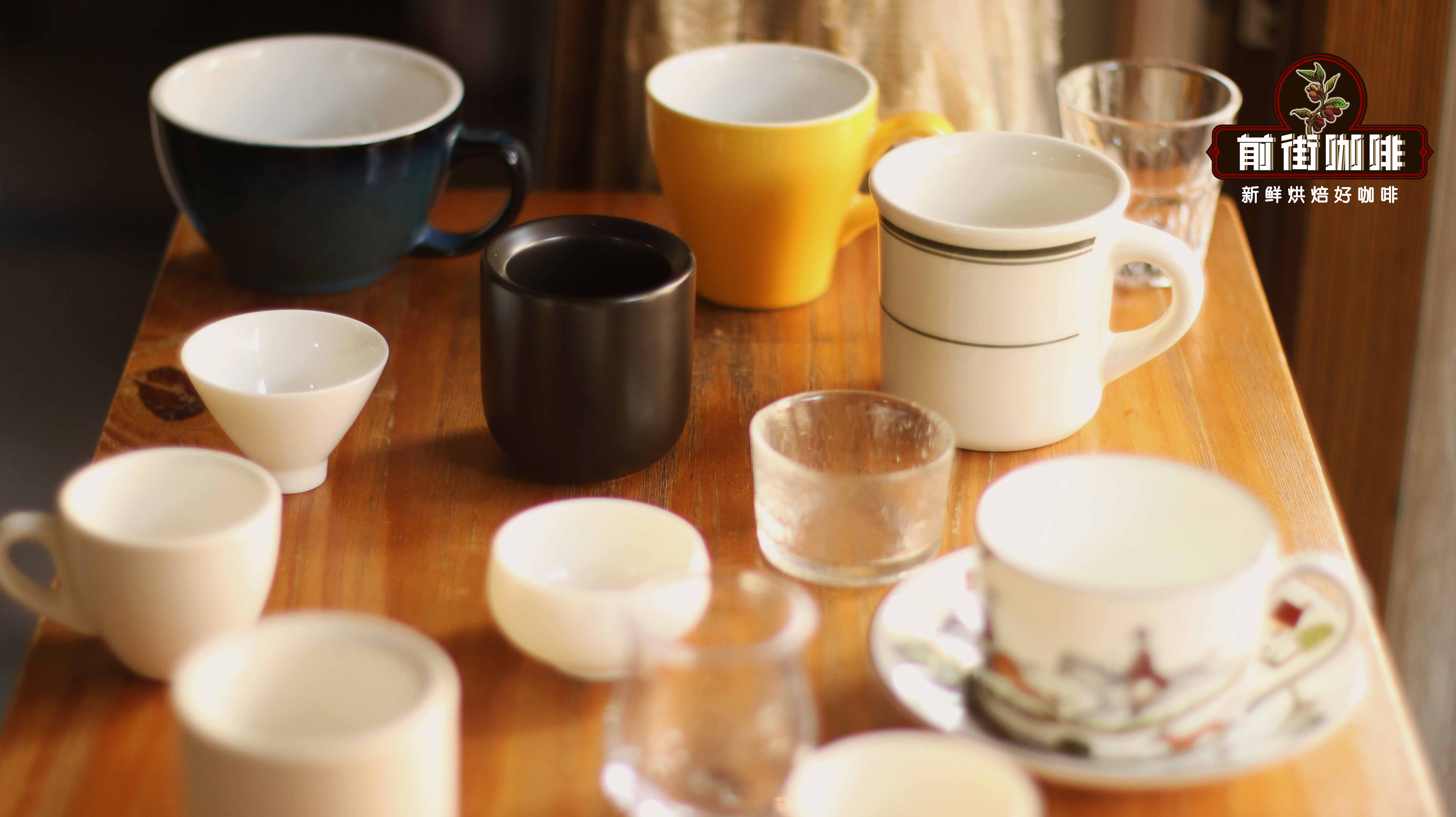
A Complete Guide to Coffee Cup Sizes: What Drinks Suit Small, Medium, and Large Cups?
Walking into Front Street Coffee, ceramic cups of various sizes are neatly arranged on the espresso machine. These cups are not placed randomly but correspond to the serving needs of different coffees. The capacity of a coffee cup often hints at the intensity of the drink within—the smaller the cup, the more concentrated the coffee. A small cup holds about 60ml, used for espresso or as a sharing cup for pour-over; a medium cup holds 180-200ml, suitable for Americano and cappuccino; a large cup holds 300ml, the stage for milk coffees like latte and mocha. This article breaks down in detail the capacity, uses, and pairing logic of Front Street's three cup sizes, helping you choose the right cup at home and drink with professional standards. [more…]
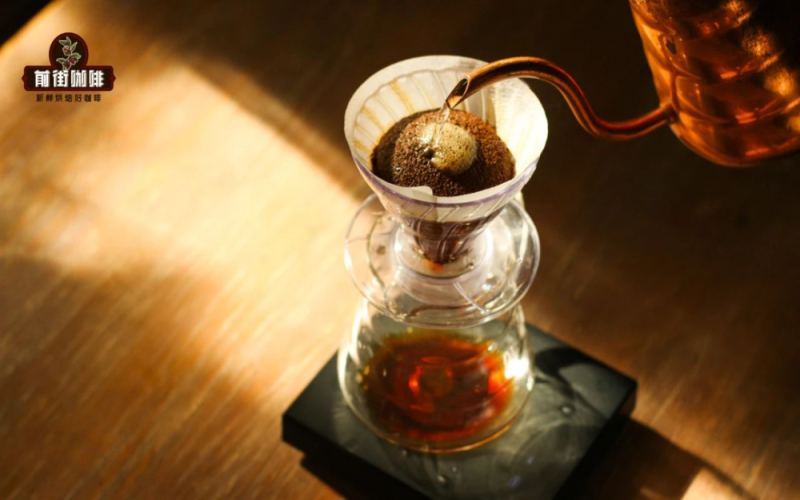
30g Coffee Powder Pour-Over Guide: Brewing Parameters and Adjustment Tips for V60 02 Large Dripper
Front Street Coffee's pour-over tutorials have long been based on a single-serving standard of 15g of coffee and 200ml of water, but when you need to brew 2 to 3 cups at once, the No. 01 small dripper simply can't handle the job. This article centers on a hands-on test of brewing with 30g of coffee in a V60 02 large dripper, starting with a 1:15 coffee-to-water ratio, 91℃ water temperature, and a three-pour technique, which revealed that the extraction time was too long and produced bitterness. The parameters were then revised by coarsening the grind and increasing the pouring speed, ultimately bringing the extraction time under 2 minutes 30 seconds, with the flavor matching that of a single serving. The article also retains recommendations for several Front Street Coffee beans and answers the question of whether the No. 01 dripper can brew a large dose when no No. 02 dripper is available, making it suitable as a reference for enthusiasts who have already mastered basic pour-over and want to advance to brewing for multiple people. [more…]
What cups are used for espresso, Americano, and latte? A detailed explanation of the three capacity specifications of coffee cups
Walking into Front Street Coffee, the rows of ceramic cups of varying sizes on the espresso machine are not placed randomly—each specification corresponds to a specific coffee category and serving standard. The differences in coffee cup capacity not only help drinkers quickly judge the strength of the coffee, but also directly affect the presentation of flavor and heat retention. This article will systematically sort out the three coffee cup sizes used by Front Street Coffee—the 60ml small cup, the 180-200ml medium cup, and the 300ml large cup—and explain one by one the coffee types they are each suited for, the serving parameters, and the flavor performance, from espresso to Americano, cappuccino, and then latte, guiding you to understand the professional logic behind coffee cups. [more…]
Espresso Measurement Decoded: How Much Coffee Is in a Shot? From Bar Lingo to Coffee Shop Standards
When ordering at a coffee shop, you'll often hear phrases like "add a shot" or "give me a shot," but how much espresso does one shot actually mean? This term actually originated from bar culture and was later borrowed into the coffee world. As extraction equipment and production standards have continued to evolve, the meaning of "shot" has also undergone a shift from measuring by dose to measuring by liquid volume. This article will sort out the origin of the term "shot," what it specifically refers to in the coffee context, and how modern coffee shops deal with the awkwardness brought by traditional measurement methods, helping coffee enthusiasts understand the ordering logic of espresso more clearly. [more…]
How to determine the pour-over coffee powder-to-water ratio for one serving? The Golden Cup extraction practice of 15 grams of coffee with 225 grams of water
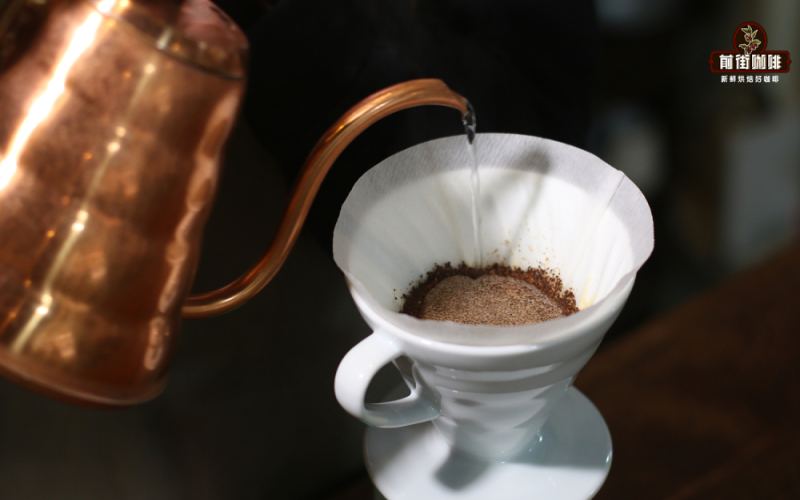
The coffee-to-water ratio in pour-over brewing directly determines the strength and flavor profile of a cup. At Front Street Coffee, we've noticed in our daily conversations with customers that many people are unclear about how much coffee and water to use for a single serving. Starting from the SCA Golden Cup extraction standards, this article explains why the reasonable range for coffee-to-water ratio falls between 1:12 and 1:15, and combines practical brewing experience to provide a complete breakdown of water temperature, grind size, blooming, and three-stage pouring using a single-serving parameter of 15g coffee and 225g water as an example. It also introduces the applicable scenarios for techniques such as stirring bloom, Japanese drip method, single-pour method, and volcano pour, helping enthusiasts establish a reproducible brewing baseline. [more…]
Behind the Refusal to Serve Iced Drinks Without Ice: Standardized Control at Coffee Chains and the Dilemma of Baristas
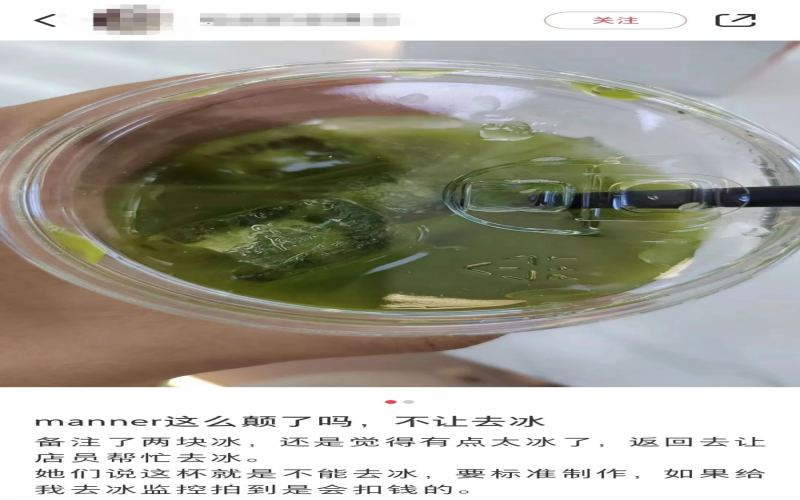
On a scorching summer day, iced drinks become the top sellers at beverage shops everywhere, yet the debate over "can you order it without ice" never dies down. A customer ordered an iced drink at Manner, noting that they only wanted two ice cubes, but after receiving it still found the temperature too low and asked the staff to remove the ice, only to be refused. The staff member helplessly explained that iced drinks must be made according to the standard ratio, and that removing ice without authorization would result in a pay deduction if caught on camera. Similar situations have occurred at Starbucks. Why are chain brands so "particular" about the amount of ice? And how should baristas choose between customer needs and company rules? This article will guide you through the industry logic behind the controversy over removing ice from iced drinks. [more…]

Coffee Filter Cup | How to adjust the pour-over parameters when brewing different doses of coffee with a V60? How to make multi-serving pour-over coffee with a V60 #01 filter cup?
Introduction: The V60 #01 dripper is used to brew 1–2 servings of coffee, and using 15–20 g of grounds is the most suitable. Some friends, when they really can't drink that much alone, will brew a little less, while some friends, when sharing with others, will brew a little more. So when brewing with a dripper of the same size, [more…]
Starbucks Salted Flat White Leaves Black Powder Residue at the Bottom of the Cup, Staff Clarifies: Having Powder Is the Standard Serving
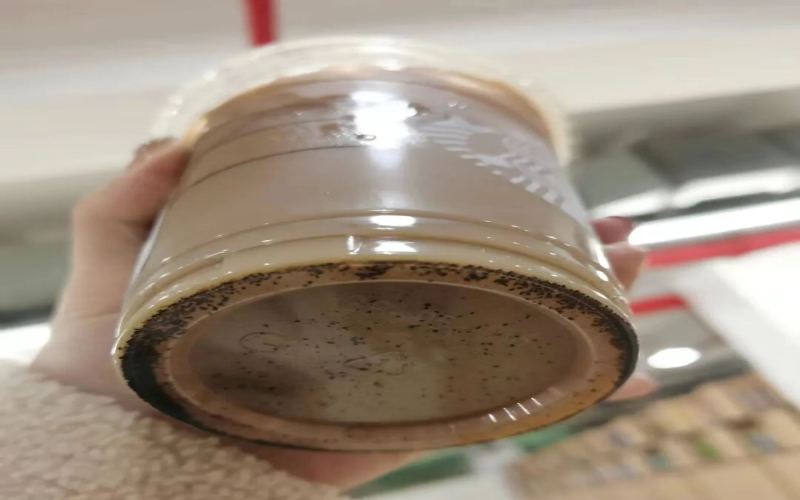
Starbucks has clearly picked up the pace of new product launches this year. Before people have even had a chance to check in on the cherry blossom limited edition, the Salted Flat White has already taken over as the store's main promotion. However, this new product has sparked controversy because of black powder residue left at the bottom of the cup, with many consumers suspecting that staff had made an operational error and mixed in coffee grounds. Faced with complaints, Starbucks staff collectively protested their innocence—having coffee powder is actually the correct method, and not having it would instead be a violation. What exactly is going on here? Why is the freshly ground coffee powder used for decoration so often mistaken for extraction residue? And why do consumers have so many complaints about the taste? This article will reconstruct the whole incident and analyze the gap between the standard recipe for this beverage and the consumer experience. [more…]
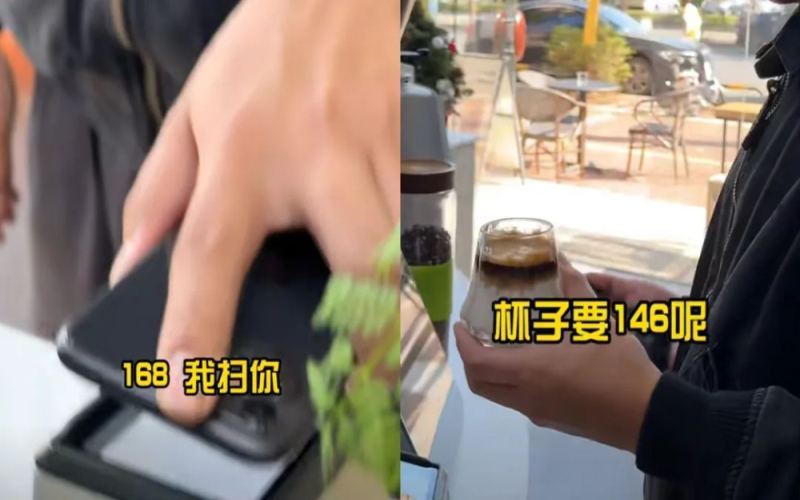
Can Dirty Coffee Be Packaged for Takeaway? From Cup Style to Experience, How Specialty Coffee and Chain Brands Differ in Their Interpretations
As a breakout hit in the specialty coffee scene, Dirty has won over countless coffee lovers with its unique structure: purified milk on the bottom and espresso on top. However, when a customer asks to pack a Dirty to go, a tug-of-war with no standard answer unfolds between the barista and the consumer. Starting from a New Year joke, this article explores the controversy over whether Dirty can be served in a takeaway cup, sorts out the differences in serving methods between independent shops and large chain brands, analyzes how brands such as Luckin and Manner interpret Dirty differently, and considers how baristas and customers can reach an understanding about the product's positioning. [more…]
How Much Coffee for a Single Serving of Pour-Over? The Golden Cup Extraction Principle and Techniques for Japanese-Style Drip Pouring and Stirring-Bloom Method
When brewing a pour-over coffee at home, how much coffee powder should you use? Starting from the SCA Golden Cup extraction standard, this article sorts out the practical logic of a 1:15 coffee-to-water ratio, explains the reasoning behind 15 grams of coffee powder and 225 grams of brewed coffee for a single serving, and analyzes the effects of water temperature, grind size, and pouring technique on flavor. Taking staged extraction as the main thread, the article details the rhythm control and operational details of blooming and degassing, three-stage pouring, and also compares the applicable scenarios, pros, and cons of the stirring bloom method, the Japanese drip pouring method, the single-pour method, and the volcano surge method, providing coffee enthusiasts with a clear, reusable brewing reference. [more…]
The Milk Foam Thickness Standard for Flat White and the Latte Art Controversy: The Crafting Logic Behind 0.3 to 0.5 Centimeters
How thick should the milk foam in a flat white really be? Why do some cafés not do latte art when serving a flat white? Behind this lies the historical origins of the flat white and the different brewing philosophies across countries. This article will take you through the evolution of the Flat White from its birth to its global popularity, analyze the differences between New Zealand and Australia in defining the flat white, and explain why thin microfoam is the key feature that distinguishes a flat white from a latte or cappuccino. At the same time, we will also explore the technical conflict between latte art and thin microfoam, and share Front Street Coffee's actual parameters and bean selection approach for making a flat white. [more…]
The Espresso Shot Breakdown: How Much Coffee Is in a Shot? Single vs. Double Definitions and Their Evolution
When ordering at a café, you often hear "add a shot" or "get a double espresso," but how much coffee does one shot actually represent? This article traces the evolution of the word "shot" from drinking culture to the coffee world, breaks down the extraction formulas for traditional single and double shots, and explains how modern baristas use liquid weight as the standard, making the gram amount of each espresso vary from shop to shop. At the same time, drawing on extraction examples from Front Street Coffee, it helps you understand the concept of espresso serving sizes more clearly. Whether you are a coffee enthusiast or a customer ordering day to day, you can gain practical knowledge from it. [more…]

What exactly does "slurping," often mentioned by coffee insiders, refer to? And what kind of tasting method is cupping?
In coffee shops or cupping sessions, you often hear a chorus of slurping sounds, and you may see baristas take a sip before serving a cup, or even several people sharing the same cup of coffee with spoons. These behaviors, which seem quite puzzling to outsiders, all revolve around one core goal—judging coffee flavor more accurately and consistently. This article, from the perspective of Front Street, will explain one by one the meaning and function of the professional term "slurping," clarify why baristas taste the coffee before serving it, and explain why cupping and everyday sharing often involve several people drinking from the same cup. After reading, you will understand that behind these seemingly odd actions lies strict control over coffee quality. [more…]